Caulk Trim After Paint - How Long Should Paint Dry Before Caulking?

Caulk trim after paint
| Painter's Quick Dry Caulk | Painter's Caulk | |
|---|---|---|
| Paintable | ||
| Paint-Ready Time | 30-minute | 30-minute |
| Water-resistant / Waterproof | Waterproof | Water-Resistant |
| Mold Protection |
How do you caulk after painting?
To get the best result when applying caulk after painting, apply thin layers of caulk. Applying thin layers after painting will make the caulk less visible. It will not discolor and would blend seamlessly with the paint. However, do not make the layers too thin, as they might not be effective.
How long after painting can you silicone?
Paintable Caulks Some silicone products are formulated to cure even under a coat of paint -- you can spray them immediately after application or brush them 30 minutes afterward. If the caulk needs to remain exposed, however, it usually takes three hours or more to develop a skin.
Why does clear caulk turn white?
Clear caulk that contains latex often appears white during initial caulking. This is due to the presence of water in the formula. As the caulk dries, the latex structure changes, causing the caulk to turn clear. Clear caulk that contains latex often goes on white and turns clear when dry.
How do you caulk trim like a pro?
A little bead in here. And get that cleaned up. Also. That's all there is to it and the same thing
Do you paint walls or trim first?
Pro painting tips will usually tell you to follow a certain order when painting a room. They paint the trim first, then the ceiling, then the walls. That's because it's easier (and faster) to tape off the trim than to tape off the walls.
What's the difference between painters caulk and regular caulk?
Instead, you'll need bathroom caulk that is silicone-based as it resists water after it's sealed. Painter's caulk is for indoor dry surfaces that can be painted over. Exterior Surfaces – painter's caulk is for interior use. Use silicone-based caulks for exterior surfaces that can withstand rain and harsh temperatures.
How long does paint take to dry?
Paint Drying Times and Factors Oil-based paint - dry to the touch in 6–8 hours and ready to recoat in 24 hours. Latex paint - dry to the touch in about 1 hour, and you can safely recoat in 4 hours.
Do you have to paint over caulk on baseboards?
Bonus tip: for easy-to-clean baseboards, paint over your caulk once it's dry. Later, any dust will wipe right off with a damp cloth.
Why do you caulk after painting?
Without sealing the joints, the finished work looks rigid. On the functional side, latex painter's caulk is also used to lock out water and prevent damage from leaks, humidity, and mould. This makes it the perfect sealant for windows, doors, bathrooms, and other indoor/outdoor areas.
Where should you not caulk around windows?
Caulking over weep holes is a big mistake. Clogged weep holes can't do their job properly and your windows can rot, collect mold or rust. Weep holes allow moisture behind the window to exit the frame, so if you want to avoid costly repairs down the road, keep caulk away from weep holes at all times.
Do you sand after caulking?
Use a new piece of coarse sandpaper for the most effective smoothing effect. Coarse sandpaper will take larger chunks out of the bumpy dried caulk. Use fine sandpaper later in the process to smooth the final product. Fold the sandpaper in half so it fits comfortably in your hand.
Can you use caulk instead of wood filler?
Yes, you can use caulk instead of wood filler for filling wood gaps, cracks, frames, trims, corners, and sealings. Both caulk and wood filler is used to fix cracks or gaps. Mostly caulk is used to fill gaps in corners and edges while the wood filler is used to fill gaps, cracks in flat surfaces.
Why would silicone caulk not dry?
If bathroom caulk isn't drying in the time that it should, it is likely that the amount of moisture in the air is either too much or too little for the type of caulk you're using. But if it's been several days and the caulk still isn't dry, you should remove it and buy new caulk.
Do you caulk after painting or before?
Caulk should be used before painting as painting the area will hide the caulk. However, if it's a new area that you are going to prime and then paint, you can use caulk after priming the area. So, once you have repaired the area and cleaned any dust, you can caulk any cracks and gaps.
Where should you not use silicone caulk?
Silicone sealants can let off strong fumes, so you should only use them in well-ventilated areas. Specifically, sealants containing acetoxy give off a strong smell of acetic acid that can cause dizziness or lightheadedness after long exposure.
Should you caulk around interior door trim?
First, caulking dries out faster when applied to unpainted wood because the wood absorbs moisture from the caulking. Second, once your door jamb is primed you can easily see what needs to be caulked. Every gap between the different pieces of wood, as well as where the trim meets the wall, should be caulked.
What is the best caulk for interior trim?
- BEST OVERALL: Gorilla 8060002 100% Silicone Sealant, 10 oz, White.
- BEST BANG FOR THE BUCK: DAP INC 18152/11440 White Alex Plus Acrylic Latex.
- BEST MOLD/MILDEW RESISTANT: GE Sealants & Adhesives Paint Projects Max Shield.
- BEST GAP FILLING: Sashco 10016 Big Stretch Caulk 10.5-Ounce.
Should bottom of baseboards be caulked?
Gaps and cracks around baseboards give insects an easy way into your walls where they can build nests and eat away at the structure of your home unseen. Caulk on both the top and bottom edge of the baseboards closes the gaps to keep the bugs out.
Should Trim be caulked before painting?
Yes, caulking trim before painting is usually best, as any imperfections will be filled in by caulk. Then, once painted, the surface should look perfect. Caulking your trim after painting is still possible, but you'll need to use more caution to not damage your recently completed painting project.
15 Caulk trim after paint Images

apex stegosaurus Home Improvement DIY Board and Batten Make It and

Trim Painting Tips For Smooth and Perfect Results The Family Handyman

How to Caulk Trim Molding YouTube

in the fun lane Secrets of caulking and painting trim

10 Best Caulk for Trim Reviews Comparison Buying Guide

How to caulk trim and baseboards

caulking around trim after painting Paint Talk Professional
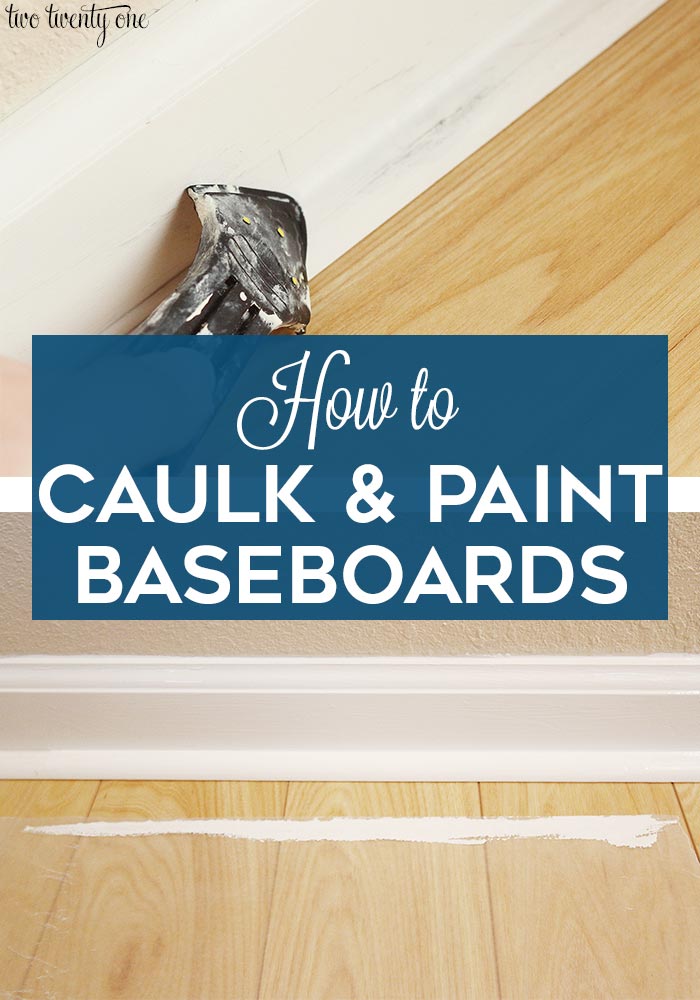
Caulking Painting Baseboards Tips and Tricks

15 best Trim images on Pinterest Baseboards Baseboard ideas and Moldings

The Creative Imperative Tricks of the Trade Caulk is Cheap
How to Prep Interior and Exterior House Surfaces for Painting Doit

How To Install Skirting Boards Ultimate Guide hipagescomau

in the fun lane Secrets of caulking and painting trim

How to caulk trim after painting wwwinvolvingcolorcom With images

How to Caulk Molding After Painting Walls Door and trim paint Wall

Post a Comment for "Caulk Trim After Paint - How Long Should Paint Dry Before Caulking?"